

This Album is a Beautiful Mess, and That’s the Point.
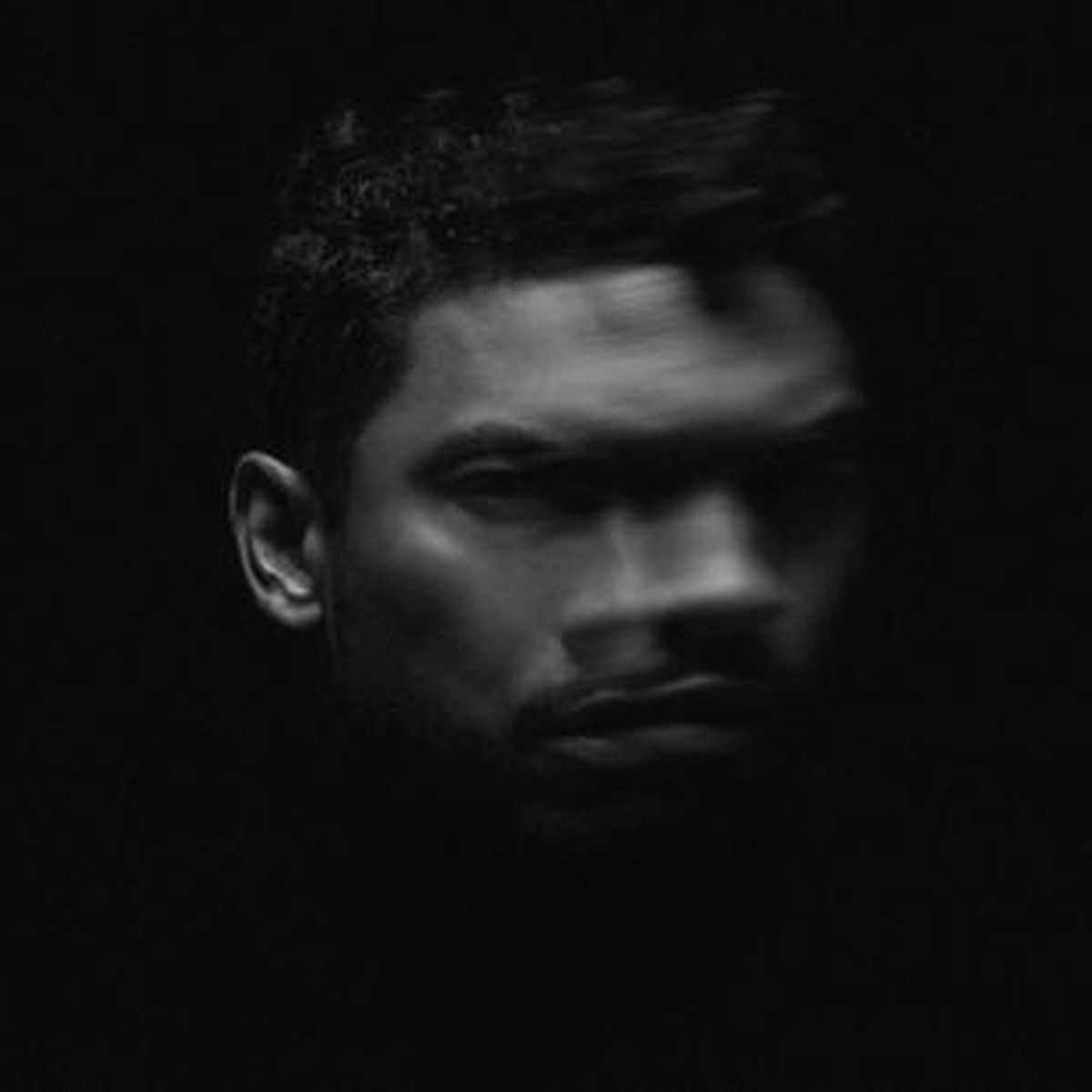
Miguel’s really leaning into his experimental era and I am here for it. His new album, CAOS — yes, spelled in all caps, like a warning — sounds like he finally broke out of whatever box people kept trying to put him in. It’s raw, weird, moody, and kind of amazing.
The first thing that hits you is how experimental it is. This isn’t the glossy, flirt-heavy Miguel from Kaleidoscope Dream days. CAOS feels like he drove his sound straight into a dark alley full of echoing guitars, dusty drums, and half-broken synths — and somehow came out with something soulful and cinematic. It sits somewhere between Nirvana’s dirt, Portishead’s fog, and Adrian Younge’s dusty vinyl warmth.
It’s the type of record that makes sense when you’re driving through downtown at night, windows cracked, city lights bleeding through the windshield.
Genre-Bending on Purpose
The whole album moves like it doesn’t care about genre. One minute you’re catching amapiano or Latin rhythms, the next it’s indie rock, and somehow it all still feels cohesive. The Killing is the perfect example — part trap, part soul, part defiant art project. It sounds like Miguel actively choosing depth over streams, and I can appreciate the rebellion.
Flashes of the Old Miguel
Then you get New Martyrs, and suddenly it’s familiar again. Smooth, romantic, heartfelt — the kind of song that reminds you why Miguel’s been running laps around R&B for a decade. That hook about “riding for your person” hits like something written in a haze of love and loyalty.
And then El Pleito — the Spanish-language joint — strips everything down to almost nothing. It’s just Miguel, his voice, and the space around it. Maybe it’s the language, maybe it’s the minimalism, but it feels closer to him than anything else on the album. You can feel the intention in every line.
Standouts and Strays
Other moments like Angel Song and Comma/Karma stretch the edges even further — floating between prayer, confession, and chaos. It’s not a record full of singles, it’s a record full of moments.
Final Take
CAOS is messy — but that’s kind of the point. It’s not trying to be the clean, tight R&B album you put on at brunch. It’s art that spills over the edges. It’s Miguel experimenting, bending rules, and daring people to catch up.
If you wanted something easy, this might not be your album. But if you like your soul music cracked open, bleeding, and beautiful — CAOS delivers.